Panasonic bread makers offer a convenient way to enjoy fresh‚ flavorful bread at home‚ blending technology with baking tradition for delightful results.
These machines simplify the process‚ allowing even novice bakers to create delicious loaves with minimal effort‚ filling your kitchen with inviting aromas.
From basic white bread to more complex recipes‚ Panasonic models provide versatility and consistent performance‚ making homemade bread accessible to everyone.
What is a Bread Maker and Why Use One?
A bread maker is an automated appliance designed to simplify the bread-baking process‚ handling kneading‚ proofing‚ and baking all within a single machine. It eliminates the manual labor traditionally associated with bread making‚ offering convenience for busy lifestyles.
Why use one? Enjoy the irresistible aroma of freshly baked bread without the effort! Bread makers provide consistent results‚ allowing you to control ingredients and avoid preservatives. They’re perfect for those seeking healthier‚ flavorful bread‚ or simply the joy of homemade baking without the fuss.
Ultimately‚ a bread maker delivers convenience‚ control‚ and consistently delicious results.
Brief History of Bread Makers (Panasonic’s Role)
Bread makers emerged in the mid-1980s‚ revolutionizing home baking. Initial models were considered cutting-edge technology‚ automating a traditionally labor-intensive process. Panasonic quickly became a key innovator in this space‚ pioneering advancements in bread maker design and functionality.
Panasonic focused on improving consistency and versatility‚ introducing features like crust control and various bread programs. Their commitment to quality and innovation established them as a leading brand‚ continually refining their machines to meet evolving consumer needs and preferences.
Today‚ Panasonic remains a prominent name in bread making.

Understanding Your Panasonic Bread Maker Model
Familiarizing yourself with your specific Panasonic model is crucial for optimal performance and unlocking its full range of baking capabilities and features.
Identifying Your Specific Model Number
Locating your Panasonic bread maker’s model number is the first step towards accessing tailored support and resources. This unique identifier allows you to download the correct user manual‚ find specific troubleshooting advice‚ and order compatible accessories.
Typically‚ the model number is found on a sticker located on the bottom or back of the machine‚ or inside the lid. It’s a combination of letters and numbers – for example‚ SD-BMT100P.
Having this information readily available will streamline your experience when seeking assistance or exploring the full potential of your bread maker.
Key Components and Their Functions
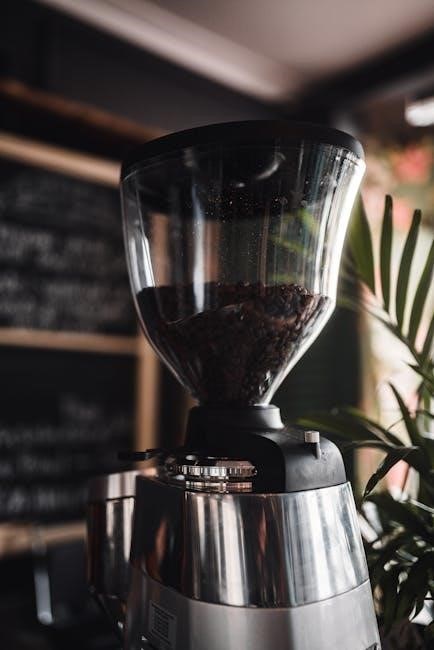
Understanding the core components of your Panasonic bread maker unlocks its full potential; The baking pan holds ingredients and is removable for easy cleaning. The kneading paddle mixes and develops the dough‚ often with a dispenser for additions like nuts.
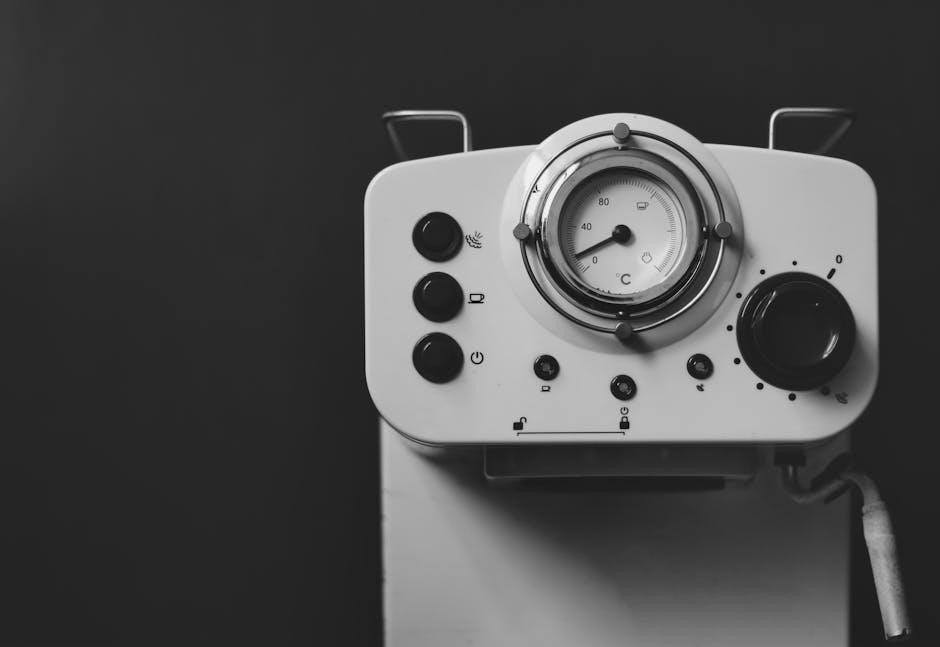
The heating element ensures even baking‚ while the control panel allows you to select programs and settings. A viewing window lets you monitor progress without interrupting the cycle.
Familiarizing yourself with each part ensures optimal performance and longevity.
Getting Started: First-Time Use
Before your first loaf‚ carefully unpack and familiarize yourself with all parts. A thorough cleaning and a test cycle are essential steps.
Initial Setup and Cleaning
Upon unboxing your Panasonic bread maker‚ remove all packaging materials and inspect for any damage. Before the first use‚ wash the baking pan‚ kneading blade‚ and measuring cup with warm‚ soapy water; ensure they are completely dry. Wipe the exterior of the machine with a damp cloth.
It’s crucial to remove any residual manufacturing oils or dust that may affect the flavor of your first loaf. Avoid abrasive cleaners‚ as they can damage the non-stick coating. Proper initial cleaning ensures optimal performance and longevity of your appliance.
Running a Test Cycle
To familiarize yourself with your Panasonic bread maker‚ run a test cycle without any ingredients. Simply place the baking pan securely inside the machine and select a basic cycle‚ like ‘White Bread‚’ without adding flour‚ water‚ or yeast.
This cycle helps burn off any lingering manufacturing odors and confirms the machine is functioning correctly. Observe the kneading and baking processes to understand the cycle’s stages. This initial run prepares the machine for consistently delicious results.
Using Basic Recipes
Panasonic bread makers excel at simple recipes; mastering white and whole wheat bread provides a foundation for exploring more complex flavors and textures.
Basic White Bread Recipe
Yields: 1 loaf (approx. 1.5 lbs) | Prep time: 10 minutes | Cook time: 3 hours 30 minutes (includes rise time)
Ingredients: 2 ½ cups bread flour‚ 1 ¼ cups warm water (105-115°F)‚ 2 tablespoons sugar‚ 1 ½ teaspoons salt‚ 2 ¼ teaspoons active dry yeast‚ 2 tablespoons softened butter.
Instructions: Add ingredients to the bread pan in the order listed (water‚ butter‚ salt‚ sugar‚ flour‚ yeast). Select the ‘Basic’ or ‘White Bread’ cycle on your Panasonic bread maker. Choose crust color preference. Press start and enjoy the aroma of freshly baked bread!
Whole Wheat Bread Recipe
Yields: 1 loaf (approx. 1.5 lbs) | Prep time: 15 minutes | Cook time: 3 hours 45 minutes (includes rise time)
Ingredients: 1 ½ cups whole wheat flour‚ 1 cup bread flour‚ 1 ¼ cups warm water (105-115°F)‚ 2 tablespoons honey‚ 1 ½ teaspoons salt‚ 2 ¼ teaspoons active dry yeast‚ 1 tablespoon olive oil.
Instructions: Add ingredients to the bread pan in the order listed (water‚ oil‚ salt‚ honey‚ whole wheat flour‚ bread flour‚ yeast). Select the ‘Whole Wheat’ cycle on your Panasonic bread maker. Choose your desired crust color. Press start and savor the wholesome goodness!
Advanced Features & Recipes
Panasonic bread makers unlock culinary creativity with gluten-free options‚ sweet doughs like brioche‚ and even homemade jams – expanding beyond basic loaves.
Gluten-Free Baking with Your Panasonic Bread Maker
Panasonic bread makers excel at gluten-free baking‚ offering dedicated programs for optimal results. Utilizing gluten-free flour blends is crucial; ensure your blend contains xanthan gum for structure.
Select the gluten-free cycle on your machine‚ and carefully measure ingredients as gluten-free doughs behave differently. Experiment with various blends to find your preferred texture and taste.
Remember that gluten-free loaves may have a slightly different appearance and crumb compared to traditional bread‚ but the flavor can be equally satisfying.
Sweet Bread & Dough Recipes (Brioche‚ Cinnamon Swirl)
Panasonic bread makers aren’t limited to savory loaves! Explore delightful sweet bread options like rich brioche or comforting cinnamon swirl. Utilize the dough cycle for recipes requiring kneading and proofing before baking.
Add ingredients like sugar‚ eggs‚ and butter according to your recipe‚ and consider using the rapid bake cycle for quicker results. Be mindful of sugar content‚ as it can affect rising times.
Experiment with fillings and toppings to create personalized sweet treats‚ enjoying the convenience of homemade goodness.
Jam & Compote Making Capabilities
Panasonic bread makers extend beyond bread‚ offering a convenient way to create homemade jams and compotes! Utilize the dedicated ‘Jam’ or ‘Compote’ program‚ if available‚ or adapt a standard cycle with careful monitoring.
Combine fresh or frozen fruit with sugar and pectin‚ following recipe guidelines for optimal setting. Remember to adjust cooking times based on fruit type and desired consistency.
Enjoy the delightful taste of homemade preserves‚ perfect for spreading on your freshly baked bread‚ adding a touch of sweetness to your day.
Troubleshooting Common Issues
Panasonic bread makers occasionally present challenges; common problems include rising issues‚ paddle sticking‚ or error codes‚ all easily addressed with guidance.
Bread Not Rising Properly
Insufficient yeast is a primary culprit; ensure it’s fresh and measured accurately‚ as expired or incorrect amounts hinder rising. Incorrect ingredient order matters – add yeast last‚ avoiding contact with liquids.
Temperature plays a crucial role; too cold‚ and the yeast won’t activate; too hot‚ and it will die. Check your kitchen’s ambient temperature. Dough consistency should be slightly sticky; adjust liquids accordingly. Finally‚ verify the rise cycle setting is appropriate for your chosen recipe.
Paddle Stuck in Bread
A common issue is using excessive amounts of sticky ingredients like honey or fruit‚ causing the paddle to become firmly lodged within the loaf. Allow the bread to cool completely before attempting removal; warmth softens the bread‚ making extraction harder.
Gently rotate the paddle while applying slight pressure. If still stuck‚ carefully use a plastic utensil to loosen surrounding bread. Avoid metal tools to prevent damage. Consider reducing sticky ingredient quantities in future bakes.
Error Codes and Their Meanings
Panasonic bread makers utilize error codes to signal issues during operation. “H1” or “H2” typically indicates a temperature sensor malfunction‚ requiring service. “E0” suggests a power interruption or lid closure problem. “E1” often means the kneading blade is obstructed.
Consult your specific model’s manual for a complete list. Restarting the machine sometimes resolves minor errors. Persistent codes necessitate contacting Panasonic support or a qualified repair technician for diagnosis and resolution.
Maintenance and Cleaning
Regular cleaning ensures optimal performance and longevity of your Panasonic bread maker; wipe down the exterior and thoroughly clean removable parts after each use.
Regular Cleaning Procedures
After each use‚ unplug the bread maker and allow it to cool completely. Remove the baking pan and kneading blade‚ washing them with warm‚ soapy water. Avoid abrasive cleaners that could damage the non-stick coating.
Wipe the interior of the bread maker with a damp cloth to remove any crumbs or residue. The exterior can be cleaned with a soft‚ damp cloth as well. Ensure all parts are thoroughly dried before reassembling and storing.
Periodic deep cleaning‚ including checking the heating element for buildup‚ will maintain peak performance and extend the life of your appliance.
Long-Term Storage
If storing your Panasonic bread maker for an extended period‚ ensure it is completely clean and dry. Remove all components – baking pan‚ kneading blade – and store them separately in a dry location.
Place the bread maker in its original packaging‚ if available‚ or cover it with a dust sheet to protect it from dust and scratches. Store in a cool‚ dry place away from direct sunlight and moisture.
Periodically check the stored unit to ensure no moisture has accumulated‚ preserving its functionality for future use.
Safety Precautions
Always unplug the bread maker before cleaning‚ and never immerse the appliance in water. Ensure proper ventilation during operation to prevent overheating risks.
Electrical Safety
To ensure safe operation‚ always verify the voltage indicated on the appliance matches your household supply. Never operate the bread maker with a damaged cord or plug; immediate replacement is crucial. Avoid using extension cords if possible‚ and if necessary‚ ensure it’s appropriately rated for the appliance’s wattage.
Do not attempt to disassemble or repair the bread maker yourself‚ as this could lead to electrical shock or malfunction. Keep the appliance away from water and other liquids to prevent hazards. Regularly inspect the power cord for any signs of damage or wear.
Operating Safety
Always ensure the bread maker is placed on a stable‚ heat-resistant surface away from flammable materials. Never touch the inner baking pan or heating elements during or immediately after operation‚ as they reach extremely high temperatures. Use oven mitts for handling hot components.
Do not operate the appliance with the lid open for extended periods‚ as hot steam may escape. Supervise children when the bread maker is in use. Avoid overloading the machine beyond its maximum capacity‚ as this can cause damage or malfunction.
Recipe Customization
Panasonic bread makers allow for ingredient adjustments and additions like seeds‚ nuts‚ or fruits‚ enhancing flavor and texture to create personalized loaves.
Adjusting Ingredient Quantities
Panasonic bread makers offer flexibility‚ but precise measurements are crucial for optimal results. When modifying recipes‚ start with small adjustments – a tablespoon more or less of liquid‚ for instance.
Altering flour quantities significantly impacts the bread’s texture; too much leads to dryness‚ while too little results in a dense loaf. Always consider the flour type‚ as different varieties absorb liquids differently.
Carefully monitor the dough consistency during the kneading cycle‚ adding small amounts of liquid or flour as needed to achieve a smooth‚ elastic texture. Experimentation is key!
Adding Seeds‚ Nuts‚ and Fruits
Panasonic bread makers allow for delightful additions like seeds‚ nuts‚ and fruits‚ enhancing flavor and texture. It’s best to add these ingredients during the second kneading cycle‚ ensuring even distribution.
Dried fruits may benefit from a brief soak in warm water to prevent them from absorbing too much moisture from the dough. Roughly chop larger nuts for consistent results throughout the loaf.
Avoid overloading the machine with additions‚ as this can hinder the kneading process. A general guideline is to limit additions to approximately 1-1.5 cups per standard loaf.
Panasonic Bread Maker Accessories
Panasonic offers accessories like extra kneading paddles and loaf pans‚ expanding your baking possibilities and ensuring consistent results with each delicious creation;
Available Accessories and Their Uses
Panasonic provides a range of accessories to enhance your bread-making experience. Extra kneading paddles are invaluable‚ allowing you to continue baking while one set is being cleaned‚ or to have spares if one breaks. Specialized loaf pans cater to different bread shapes and sizes – perfect for taller loaves or smaller rolls.
Some models support fruit and nut dispensers‚ automatically adding ingredients at the optimal time during the baking cycle. Measuring cups and spoons specifically designed for bread machine use ensure accurate ingredient ratios‚ crucial for consistent results. Explore these additions to unlock the full potential of your Panasonic bread maker!
Resources and Support
Panasonic’s official website offers comprehensive support‚ including manuals and FAQs. Online communities and forums provide valuable tips and troubleshooting assistance from fellow users.
Panasonic’s Official Website & Support
Panasonic’s official website is the primary hub for all your bread maker needs‚ offering downloadable user manuals for various models. You’ll find detailed instructions‚ recipe suggestions‚ and troubleshooting guides to assist you throughout your baking journey.
Their support section provides FAQs addressing common issues‚ alongside contact information for direct assistance from Panasonic’s customer service team. Explore the site for helpful videos demonstrating features and maintenance procedures‚ ensuring optimal performance and longevity of your appliance.
Registering your product unlocks additional benefits and access to exclusive content.
Online Communities and Forums
Numerous online communities and forums dedicated to bread making offer a wealth of knowledge and support for Panasonic bread maker users. These platforms are excellent resources for sharing recipes‚ troubleshooting issues‚ and exchanging tips with fellow enthusiasts.
Websites and social media groups provide a space to ask questions‚ discuss specific models‚ and discover innovative baking techniques. Benefit from the collective experience of others‚ finding solutions and inspiration beyond the official manual.
Engage and learn from a passionate community!
No Responses