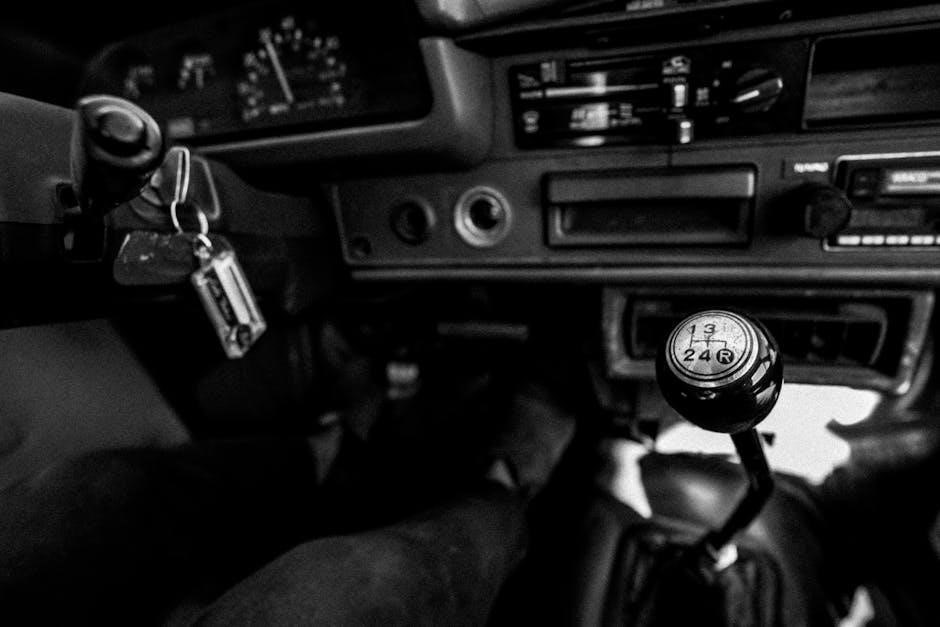
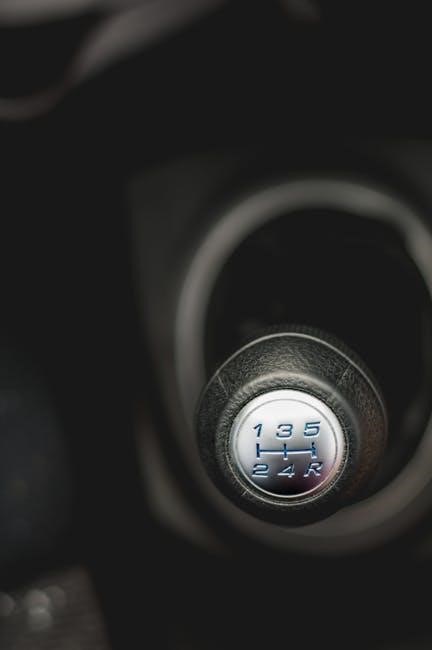
Honda Prelude manual transmissions offer a uniquely engaging driving experience, celebrated for their precision and responsiveness. These transmissions, found across several Prelude generations,
contribute significantly to the car’s sporty character and driver connection. Regular maintenance, utilizing Honda-specific fluids, is crucial for longevity and optimal performance, preventing common issues.
Overview of Prelude Generations with Manual Options
Honda Prelude’s manual transmission availability varied across its five generations. The first (1978-1982) offered a 5-speed, establishing a sporty foundation. The second generation (1983-1987) continued this, refining the gearbox for smoother operation. The third generation (1988-1991) saw improvements in shift feel and durability, becoming a favorite among enthusiasts.
Notably, the fourth generation (1992-1996) – particularly the Si and VTEC models – featured highly sought-after close-ratio manual transmissions, enhancing performance. The final fifth generation (1997-2001) maintained manual options, though availability decreased in later years. Each generation’s manual transmission reflects Honda’s commitment to driver engagement, with later iterations showcasing advancements in technology and refinement, making them desirable for those seeking a connected driving experience.
Why the Manual Transmission is Desirable in a Prelude
The manual transmission in a Honda Prelude elevates the driving experience beyond mere transportation. It provides a direct connection between driver and machine, fostering greater control and engagement. Enthusiasts prize the ability to select gears precisely, optimizing performance and enjoying a more visceral feel. The manual gearbox complements the Prelude’s inherently sporty nature, allowing drivers to fully exploit the engine’s power and responsiveness.
Furthermore, a manual Prelude often commands a higher resale value due to its desirability. Many consider it the “purest” form of the car, offering a more rewarding and involved driving experience than automatic variants. The tactile feedback and sense of accomplishment derived from mastering the manual transmission contribute to a uniquely satisfying ownership experience.
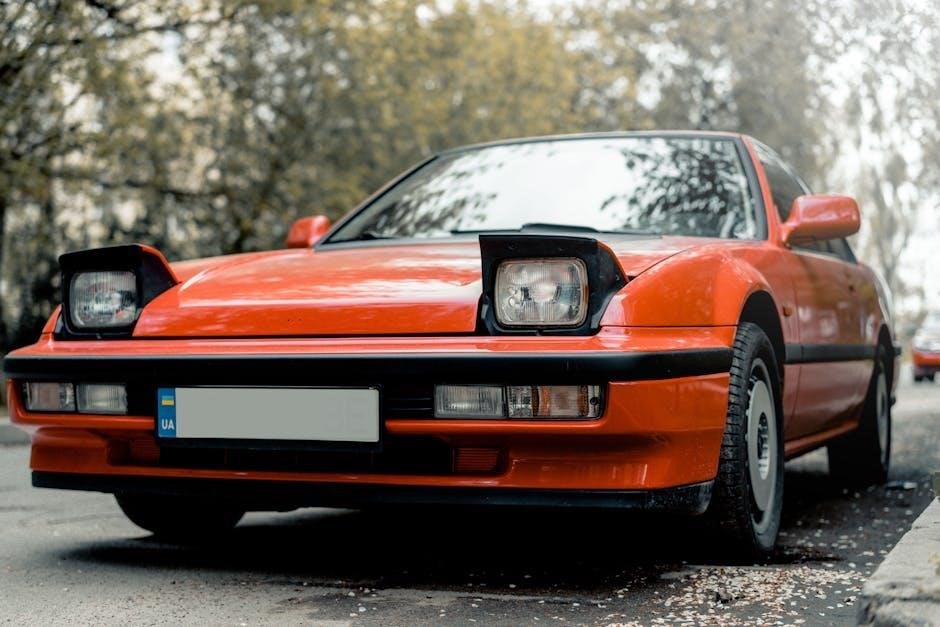
Common Issues with Honda Prelude Manual Transmissions
Honda Prelude manual transmissions can experience synchromesh wear, clutch problems (slipping or failure), shift linkage issues, and worn transmission mounts over time.
Synchromesh Wear and Symptoms
Synchromesh wear is a frequent concern in Honda Prelude manual transmissions, manifesting as difficulty smoothly shifting gears, particularly into second or third. This occurs because the synchromesh, responsible for matching the speeds of the gears before engagement, loses its effectiveness over time.
Symptoms include a grinding noise when shifting, especially when the transmission is cold, or a double-clutching sensation even when not intentionally attempting it. The issue often worsens with extended use and can lead to complete refusal to shift into certain gears. Regular transmission fluid changes with Honda-specific fluid can help mitigate wear, but ultimately, significant wear may necessitate transmission rebuild or replacement. Ignoring these symptoms can cause further damage to the gears themselves.
Clutch Problems: Slipping, Sticking, and Failure
Clutch issues are common in Honda Prelude manual transmissions, presenting in several forms. Clutch slippage, indicated by high engine RPMs with minimal acceleration, suggests wear in the friction disc. A sticking clutch, making gear changes difficult or accompanied by noises, can stem from a poorly lubricated clutch cable or a warped clutch disc.
Complete clutch failure results in an inability to disengage the engine from the transmission, preventing gear changes altogether. Contributing factors include aggressive driving habits, infrequent fluid checks, and age-related deterioration of components. Regular inspection of the clutch cable, master and slave cylinders, and the clutch disc itself is vital. Replacement with a quality clutch kit is often necessary to restore proper function.
Shift Linkage Issues and Adjustment
Honda Prelude manual transmissions can experience issues with their shift linkage, leading to imprecise shifting or difficulty selecting gears. These problems often arise from worn bushings, loose connections, or bent components within the linkage system. Symptoms include a vague or sloppy shifter feel, requiring excessive force to engage gears, or even gears popping out of alignment.
Proper adjustment of the shift linkage is crucial for optimal performance. This involves checking and tightening all connections, replacing worn bushings, and ensuring correct cable tension. Careful attention to detail during adjustment is essential, as improper settings can exacerbate the problem. Regular inspection and maintenance of the shift linkage contribute significantly to a smooth and enjoyable driving experience.
Transmission Mount Wear and Replacement
Honda Prelude manual transmissions rely on robust transmission mounts to securely connect the gearbox to the chassis. Over time, these mounts can deteriorate due to age, stress, and exposure to the elements, leading to increased vibration and noise within the cabin. Symptoms of worn transmission mounts include excessive movement of the shifter, clunking sounds during gear changes, and a general feeling of instability, particularly during acceleration or deceleration.
Replacing worn transmission mounts is essential for restoring proper drivetrain stability and improving driving comfort. It’s recommended to inspect the mounts regularly for cracks, tears, or collapse. Using high-quality replacement mounts designed for the Prelude ensures a proper fit and long-lasting performance. Proper installation is crucial for optimal results.
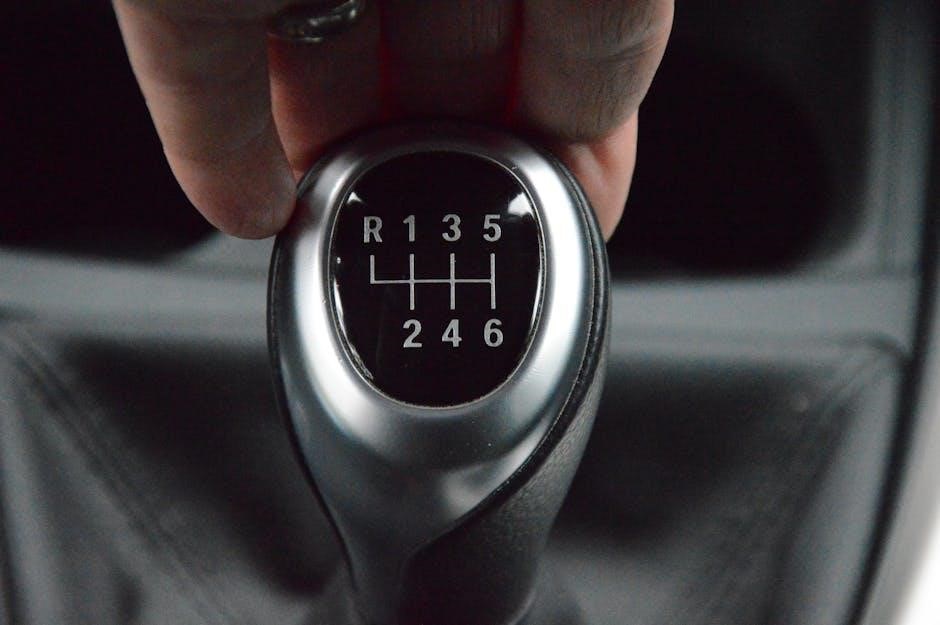
Specific Problems & Solutions (Based on Online Reports)
Prelude owners frequently report difficulty shifting into first gear, often using a workaround involving shifting to second first. Transmission slipping requires immediate attention and diagnosis.
Difficulty Shifting into First Gear (and Workarounds)
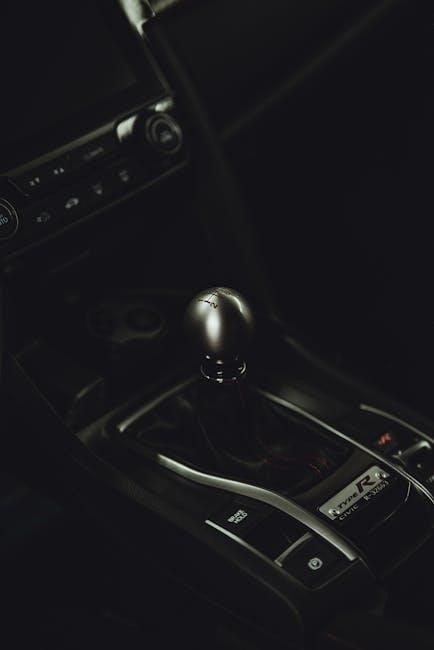
A common complaint among Honda Prelude manual transmission owners centers around the challenge of smoothly engaging first gear, particularly when coming to a complete stop. Many individuals have documented experiencing this issue, noting it as an occasional annoyance rather than a constant impediment. A frequently cited workaround, shared within online Prelude communities, involves briefly shifting the transmission into second gear before attempting to select first.
The reasoning behind this maneuver remains somewhat unclear, with speculation ranging from alleviating pressure on the synchronizers to subtly adjusting the shift linkage. While this technique doesn’t represent a permanent fix, it consistently proves effective in facilitating a successful shift into first gear. It’s important to note that this is a symptom-management strategy, and underlying causes, such as synchromesh wear, should be investigated for a lasting solution.
Transmission Slipping: Diagnosis and Prevention
Transmission slipping in a Honda Prelude is a serious concern demanding prompt attention to prevent irreversible internal damage. This manifests as a delay or inability of the transmission to engage a gear, often accompanied by increased engine RPM without a corresponding increase in vehicle speed. Early diagnosis is crucial; listen for unusual noises and pay attention to any hesitation during gear changes.
Preventative measures primarily revolve around diligent maintenance. Regular transmission fluid changes, using only Honda-specific fluid, are paramount. Contaminated or degraded fluid significantly reduces the transmission’s ability to lubricate and cool internal components, accelerating wear and tear. Addressing any clutch issues promptly also contributes to preventing slipping, as a failing clutch can mimic transmission problems.
Solenoid Issues (Though Primarily Automatic, Relevance to Sensors)
While Honda Prelude manual transmissions aren’t directly controlled by solenoids like automatic versions, sensor-related electrical issues can mimic solenoid malfunctions. These sensors, crucial for engine management and potentially influencing transmission feedback, can cause erratic shifting or perceived slipping. Diagnostic procedures should include a thorough voltage check of these sensors to ensure proper operation.
Cleaning these sensors can sometimes resolve intermittent problems, removing any corrosion or debris that might interfere with their signals. Although less common in manual transmissions, investigating potential electrical faults within the system is vital when experiencing unusual transmission behavior. Remember, the Prelude and Accord share some components, and lessons learned from Accord diagnostics can be applicable.

Maintenance and Repair
Honda-specific transmission fluid is essential for optimal Prelude manual transmission health. Regular fluid changes, at recommended intervals, prevent wear and maintain smooth shifting performance.
Recommended Transmission Fluid (Honda Specific)
Honda explicitly recommends using Honda-specific manual transmission fluid for your Prelude. Utilizing alternative fluids can lead to significant issues, including synchromesh wear and compromised shift quality. The correct fluid ensures proper lubrication and compatibility with the transmission’s internal components.
Specifically, Honda MTF (Manual Transmission Fluid) is the preferred choice. Avoid using universal gear oils or automatic transmission fluids, as their formulations differ and may not provide adequate protection. Regularly checking the fluid level and condition is also vital. Dark, contaminated fluid indicates a need for a change.
Using the correct fluid is a preventative measure, extending the life of your Prelude’s manual transmission and maintaining its renowned smooth operation. Prioritizing Honda MTF demonstrates a commitment to preserving the vehicle’s performance and reliability.
Transmission Fluid Change Intervals
Establishing consistent transmission fluid change intervals is paramount for maintaining the health of your Honda Prelude’s manual transmission. While Honda doesn’t specify a rigid schedule, a proactive approach is highly recommended. Generally, changing the fluid every 30,000 to 60,000 miles, or approximately every two to three years, is a sensible guideline.
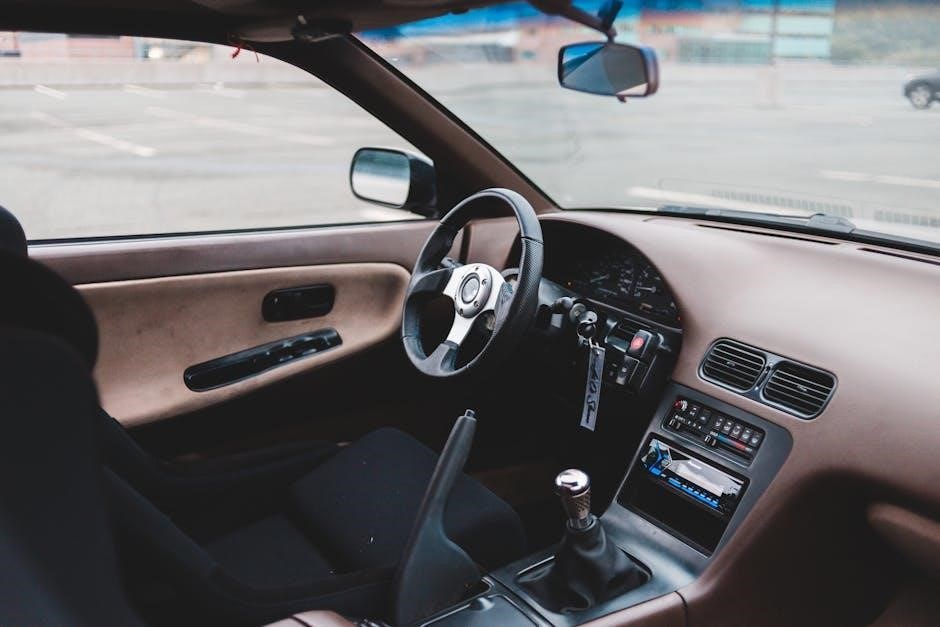
However, driving conditions significantly influence this interval. Aggressive driving, frequent stop-and-go traffic, or track use necessitate more frequent changes – potentially every 30,000 miles. Regular inspection of the fluid’s condition is crucial; if it appears dark or contaminated, a change is warranted regardless of mileage.
Frequent oil changes, using Honda fluid exclusively, are often cited as beneficial preventative maintenance by Prelude owners, helping to mitigate potential transmission issues.
Cleaning and Inspecting Transmission Components
Periodic cleaning and inspection of key transmission components can reveal potential problems before they escalate. Removing and cleaning the solenoids, though more commonly associated with automatic transmissions, is a worthwhile step, as they influence sensor readings impacting manual transmission function. Inspecting for debris or corrosion is vital.
Visually examine the shift linkage for wear, looseness, or damage. Ensure all connections are secure and properly lubricated. Inspect the transmission mount for cracks or deterioration, as a worn mount can contribute to shifting issues.
Carefully check the transmission fluid for metal shavings, a sign of internal wear. Thorough cleaning and inspection, combined with fluid analysis, provide valuable insights into the transmission’s overall condition.
Advanced Troubleshooting
Honda Prelude manual transmission issues requiring deeper investigation may involve internal damage, gear wear, or, potentially, shift computer malfunctions, mirroring Accord experiences.
Diagnosing Internal Transmission Damage
Diagnosing internal damage within a Honda Prelude manual transmission requires a systematic approach, often beginning with a thorough fluid inspection. Look for metallic flakes or a burnt odor, indicators of significant wear. Unusual noises – whining, clunking, or grinding – during operation are strong signals of internal problems.
A careful examination of the shift pattern can reveal issues; difficulty selecting specific gears or gears popping out suggests damaged synchronizers or bent shift forks. Removing the transmission for a complete teardown allows for detailed inspection of gears, bearings, and the differential.
Checking for excessive backlash or chipped teeth on the gears is vital. Furthermore, inspecting the condition of the bearings for pitting or roughness will help pinpoint the source of the damage. Professional assessment is often necessary for accurate diagnosis and repair recommendations.
Identifying and Addressing Gear Wear
Identifying gear wear in a Honda Prelude manual transmission involves both visual inspection and careful assessment of performance. Look for rounded or hooked gear teeth, a clear sign of prolonged use and metal-to-metal contact. Pitting, small indentations on the gear surface, also indicates wear.
Addressing gear wear typically requires replacement of the affected gears. It’s crucial to replace gears in sets to ensure even wear and prevent premature failure of the new components.
During reassembly, proper lubrication with Honda-specific transmission fluid is essential. Consider upgrading to hardened gears if the transmission experiences high stress or frequent aggressive driving. Ignoring gear wear can lead to complete transmission failure and costly repairs, so proactive maintenance is key.
Shift Computer Issues (Potential Relevance from Accord Experience)
While Honda Prelude manual transmissions are largely mechanical, sensors and potentially a rudimentary shift computer can influence operation, drawing parallels to Honda Accord systems. Issues aren’t widely reported, but erratic shifting or difficulty engaging gears could stem from faulty sensors providing incorrect data.
Based on Accord experiences, sending the shift computer for repair to specialists (like those found on eBay) for around $75 might resolve unexplained shifting problems. Cleaning the solenoids, even in a manual transmission context, can improve sensor signal accuracy.
Diagnostic tools capable of reading Honda-specific codes are invaluable. Thoroughly inspect wiring harnesses for corrosion or damage, as this can disrupt sensor communication. Addressing these issues proactively can prevent further complications.
Resources and Community Support
Honda Prelude owners benefit from active online forums and communities, offering invaluable advice and support. Finding replacement parts and skilled Honda transmission mechanics is easier through these networks.
Online Forums and Communities for Prelude Owners
Honda Prelude enthusiasts have cultivated a robust online presence, providing a wealth of knowledge specifically regarding manual transmission issues and solutions. These forums serve as invaluable resources for diagnosing problems, sharing repair experiences, and locating hard-to-find parts. Dedicated Prelude communities offer a space to connect with fellow owners, exchange technical insights, and benefit from collective expertise.
Active discussion threads frequently address common manual transmission concerns, such as synchromesh wear, clutch problems, and shift linkage adjustments. Members often share detailed repair guides, photos, and videos, assisting others in tackling DIY repairs. These platforms also facilitate the exchange of information regarding reputable mechanics specializing in Honda transmissions, offering a crucial support network for owners seeking professional assistance. Participating in these communities can significantly enhance the ownership experience and help preserve these classic vehicles.
Finding Replacement Parts for Manual Transmissions
Sourcing replacement parts for Honda Prelude manual transmissions can present challenges due to the car’s age and decreasing production of specific components. Online marketplaces, such as eBay, often feature both new-old-stock (NOS) and used parts from various suppliers. Specialized Honda parts retailers are also valuable resources, offering a curated selection of transmission components and rebuild kits.
Local salvage yards can be a cost-effective option for finding used parts, but careful inspection is crucial to ensure functionality and condition. When purchasing used components, verifying compatibility with your specific Prelude generation is essential. Rebuild kits typically include synchromesh, seals, and bearings, providing a comprehensive solution for transmission restoration. Prioritizing quality parts and reputable suppliers will contribute to a successful and reliable repair.
Professional Mechanics Specializing in Honda Transmissions
Locating a mechanic experienced with Honda transmissions, particularly those familiar with the Prelude’s manual systems, is vital for complex repairs. General mechanics may lack the specialized knowledge required for accurate diagnosis and effective solutions. Seek out shops that specifically advertise Honda expertise or have a proven track record with older Honda models.
Online forums and Prelude owner communities often provide recommendations for trusted mechanics in specific regions. When consulting a mechanic, clearly describe the symptoms and any attempted troubleshooting. A thorough inspection, including fluid analysis and internal component assessment, is crucial before commencing repairs. Expect a detailed estimate outlining the scope of work and associated costs, ensuring transparency and avoiding unexpected charges.
No Responses